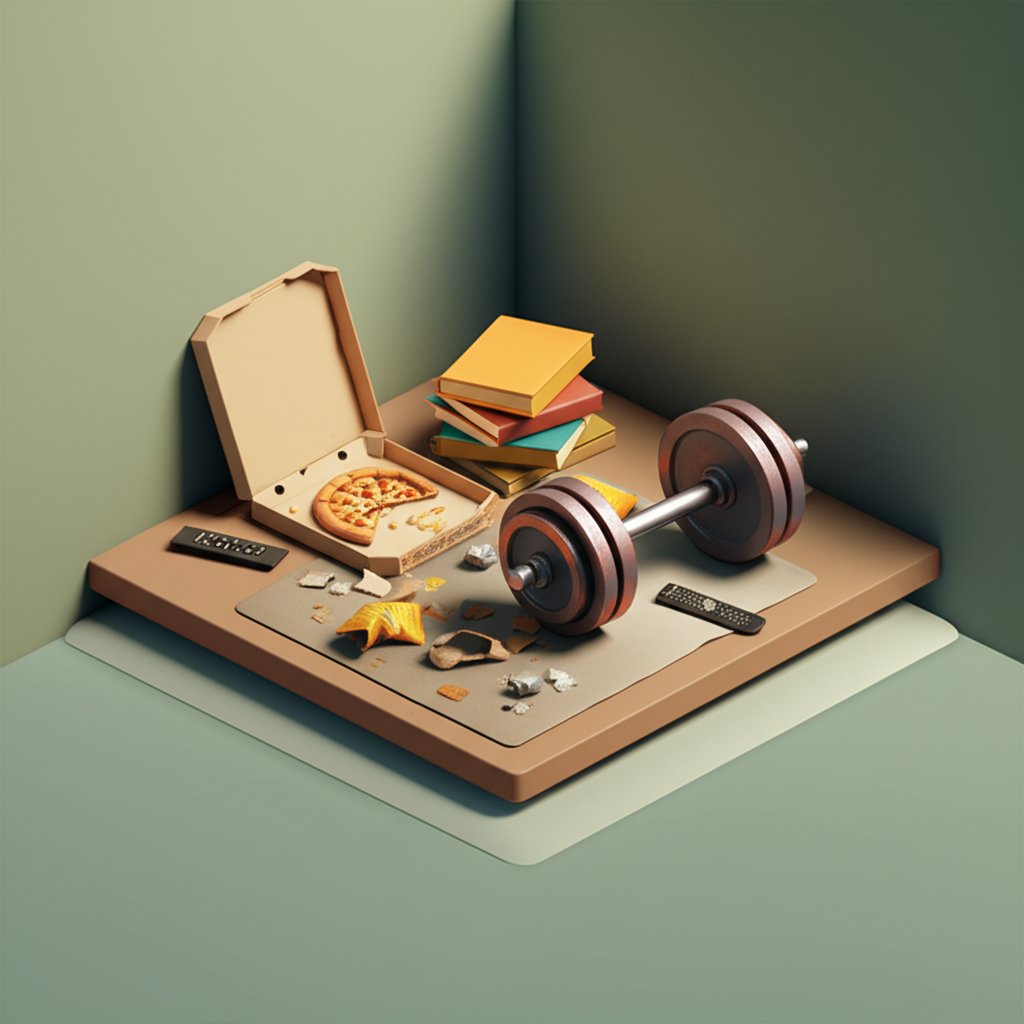
When we encounter an "exercise is junk quote," it often resonates with a part of us that has felt the struggle, the fatigue, or even the outright aversion to physical activity. This sentiment, however understandable, presents a critical juncture: a chance to reconsider our relationship with movement not as a chore or a punishment, but as a fundamental cornerstone of a vibrant, healthy life. It’s an invitation to shift perspective from seeing exercise as disposable "junk" to recognizing it as an invaluable investment in our well-being.
At a Glance
- Reframe "Exercise": Understand why the "junk" label might stick and how to redefine movement as a source of joy and health.
- Unlock Keystone Habits: Discover how consistent physical activity can trigger positive changes across all areas of your life.
- Personalize Your Plan: Learn to design a movement routine that genuinely fits your lifestyle, preferences, and long-term goals.
- Overcome Mental Blocks: Address common objections and cultivate a resilient mindset for sustained motivation.
- Experience Holistic Benefits: Recognize the profound physical, mental, and emotional advantages that extend far beyond weight loss.
Dissecting the "Junk" Perception
The idea that "exercise is junk" isn't usually born from malice, but often from frustration, intimidation, or past failures. Perhaps it stems from a rigid definition of exercise—endless hours in a sterile gym, lifting heavy weights, or running marathons. For many, this daunting image leads to an all-or-nothing approach, which almost inevitably results in nothing.
However, the scientific consensus is overwhelmingly clear: regular movement is not optional, but essential. It’s akin to good nutrition or adequate sleep—a non-negotiable component of optimal health. As Gene Tunney wisely stated, “To enjoy the glow of good health, you must exercise.” This isn't about fitting a specific mold, but about engaging your body in a way that promotes its natural functions and resilience.
Exercise: The Ultimate Keystone Habit
One of the most profound insights into the power of physical activity comes from Charles Duhigg, who identifies exercise as a "keystone habit." This isn't just a catchy phrase; it's a powerful framework. A keystone habit is a single practice that, when adopted, naturally triggers a cascade of other positive changes across various aspects of your life.
Think about it: when you commit to regular exercise, you often find yourself making better food choices to support your energy levels and recovery. You might sleep more soundly, leading to improved focus and productivity at work. Your patience with family and colleagues might increase, and your overall mood certainly benefits. It's a domino effect where one small, consistent change unlocks a wealth of broader improvements. Starting with small, manageable steps in your movement routine can indeed be the catalyst for a total lifestyle overhaul, leading to better diet, increased productivity, and even greater patience.
Beyond the Gym: Redefining Movement for You
The traditional image of exercise can be intimidating. But what if "exercise" didn't have to mean pumping iron or logging miles on a treadmill? What if it could be joyful, integrated, and genuinely fun? The true power of physical activity lies in consistency, and consistency thrives on enjoyment.
Consider redefining "exercise" as "movement." This simple shift liberates you from rigid expectations. Your movement journey could involve:
- Brisk Walking: A powerful, accessible activity that boosts cardiovascular health and mood.
- Yoga or Pilates: Enhancing flexibility, strength, and mindfulness.
- Dancing: A fantastic way to combine cardio with pure joy.
- Gardening: A full-body workout disguised as a peaceful hobby.
- Team Sports: Fostering community, competition, and coordination.
- Cycling: Exploring your surroundings while building endurance.
The key is finding activities that you genuinely look forward to, making them sustainable additions to your daily routine. The only bad workout, after all, is the one that didn't happen. By finding what resonates with you, you transform a perceived chore into an anticipated pleasure.
Crafting Your Personal Movement Blueprint
Moving past the "exercise is junk quote" mentality requires a structured yet flexible approach. Here’s how to build a personalized movement blueprint that sticks:
Step 1: Self-Assessment & Realistic Goals
Before you start, take stock. What are your current activity levels? What brings you joy? What are your time constraints and resources? Avoid the trap of aiming for perfection or comparing yourself to others. Your journey is uniquely yours.
- Example: If you dread the gym, don't force it. If you have 20 minutes free at lunch, plan a brisk walk.
- Pitfall to Avoid: Setting unrealistic targets (e.g., "I'll go to the gym 6 times a week starting tomorrow" when you currently go zero times). This sets you up for failure.
Step 2: Start Small, Build Momentum
Small, consistent wins are far more powerful than sporadic, intense bursts. Remember the wisdom: "A one-hour workout is 4% of your day. No excuses." Even 10-15 minutes of dedicated movement daily can kickstart significant change.
- Actionable Advice: Begin with three 20-minute walks per week. Once that feels easy, add another day or extend the duration.
- Case Snippet: Sarah, a busy working mom, started with 15 minutes of stretching and light bodyweight exercises in her living room each morning. After a month, she felt stronger and more energized, naturally extending her routine to 30 minutes.
Step 3: Track and Celebrate Progress (Non-Scale Victories)
Don't just focus on the number on the scale. Celebrate how you feel, your energy levels, your sleep quality, and your mood. These "non-scale victories" are often the most motivating and sustainable indicators of progress.
- Practical Example: Keep a simple journal. Note down when you moved, what you did, and how you felt afterward. Did you sleep better? Have more energy during your afternoon slump? Could you climb stairs without getting winded?
- Motivational Insight: "In two weeks, you’ll feel it. In four weeks, you’ll see it. In eight weeks, you’ll hear it." This highlights the cumulative, often subtle, yet profound nature of consistent effort.
Step 4: Overcoming Obstacles & Staying Consistent
Life happens. Missed workouts, busy schedules, or flagging motivation are inevitable. The key is to have strategies in place. Robin Sharma’s quote rings true: “If you don’t make time for exercise, you’ll probably have to make time for illness.” This isn't a threat, but a reminder of priorities.
- Implementation Tips:
- Schedule It: Treat your movement time like an important appointment.
- Find an Accountability Partner: Someone to move with, or just to check in with.
- Have a Backup Plan: If your outdoor walk gets rained out, have an indoor bodyweight routine ready.
- Revisit Your "Why": Remind yourself of the benefits you're gaining.
- Embrace the "Motivation vs. Habit" Principle: As Jim Ryun said, “Motivation is what gets you started. Habit is what keeps you going.” Focus on building routine over relying solely on fleeting motivation.
The Psychological Payoff: More Than Just Physical
While the physical benefits of exercise are widely known—improved strength, endurance, flexibility, and a reduced risk of chronic diseases—the mental and emotional gains are equally, if not more, transformative. Physical activity is a powerful antidote to stress, anxiety, and even depression. It boosts mood, enhances cognitive function, and significantly improves sleep quality.
There's a reason why John F. Kennedy famously noted, “Physical fitness is not only one of the most important keys to a healthy body, but it is also the basis of dynamic and creative intellectual activity.” When your body is active, your mind sharpens. You gain mental clarity, increased energy, and a profound sense of self-efficacy and confidence. This holistic well-being is why many seek inspiration and motivation to stay on track. For a broader collection of thoughts and imagery to fuel your journey, you can always Get inspiring exercise quotes that resonate with your personal goals and aspirations.
Quick Answers to Common Objections
The "exercise is junk quote" often stems from deeply held misconceptions or struggles. Let's tackle some common ones directly:
Q: "I don't have time for exercise."
A: This is a common feeling in our busy world. The truth is, you don't need hours. Even 10-15 minutes of brisk walking or bodyweight exercises makes a difference. Break it up: a 5-minute walk in the morning, another at lunch, and a final one in the evening adds up. Prioritize movement like you would any other important appointment.
Q: "I hate working out. It's boring."
A: The problem isn't exercise; it's finding the right exercise for you. Explore different activities: dancing, hiking, cycling, martial arts, gardening, team sports. There's a movement out there that you'll genuinely enjoy. The goal isn't just to "work out" but to move your body in ways that feel good and engaging.
Q: "I'm too old, too unfit, or too overweight to start."
A: It's never too late to start, and movement is adaptable for every body and every fitness level. Begin with gentle, low-impact activities like walking, chair yoga, or swimming. Consult with a healthcare professional to ensure your chosen activities are safe for you. Small, consistent steps will build fitness and confidence over time.
Q: "I don't see results quickly enough, so I get discouraged."
A: Visible results, especially weight loss, take time. Focus on the immediate, tangible benefits: increased energy, better sleep, improved mood, reduced stress, and greater strength. These "non-scale victories" are often more motivating and sustainable. Remember, "The pain you feel today will be the strength you feel tomorrow." Consistency is the key to all progress, visible or not.
Q: "Exercise feels like punishment for what I ate."
A: This mindset is counterproductive. Reframe exercise as a celebration of what your body can do, and an act of self-care. It's about enhancing your health and vitality, not atoning for food choices. This positive association makes movement much more sustainable and enjoyable.
Your Actionable Next Steps
Ready to move past the "exercise is junk quote" and build a life rich with movement? Here’s a quick-start guide:
- Identify Your "Movement Joy": Brainstorm 3-5 activities you genuinely enjoy or are curious about. Think beyond traditional gym settings.
- Schedule Your Micro-Moves: Block out three 15-20 minute slots in your week specifically for one of those activities. Start small, aim for consistency.
- Find Your "Why": Write down 1-3 personal benefits you hope to gain from regular movement (e.g., more energy to play with kids, better sleep, stress reduction, improved focus). Refer to this often.
- Embrace Incrementalism: Once your initial 15-20 minute sessions feel easy, add 5 minutes, or an extra session. Let progress be gradual and sustainable.
- Track Your Feelings, Not Just Reps: Keep a simple log of how you feel after your movement sessions. Notice the positive shifts in energy, mood, and sleep. This reinforces the value of your efforts.
Moving your body is not a punishment or a disposable piece of "junk" in your life. It is a profound act of self-care, a powerful catalyst for holistic well-being, and an investment that pays dividends across every aspect of your physical, mental, and emotional health. By shifting your perspective and embracing consistent, enjoyable movement, you unlock a healthier, more vibrant you.